Keys, Custody, and Closure: An Inheritance Checklist for Self-Custody Crypto
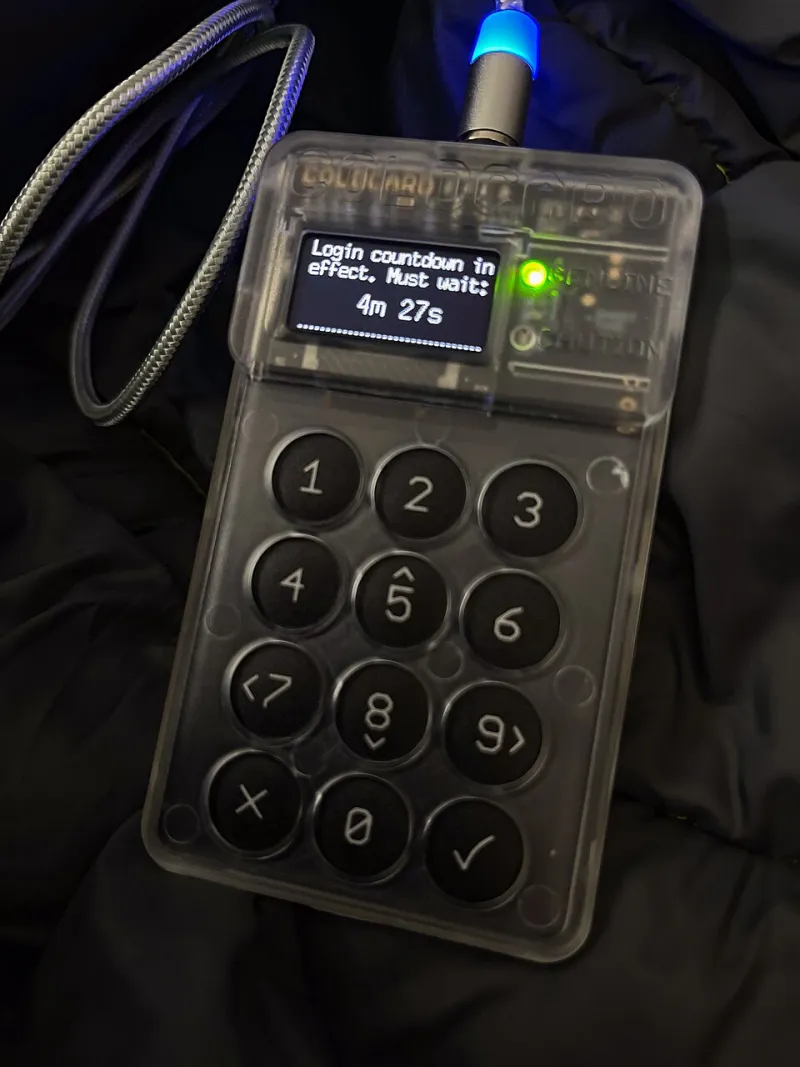
Photo: Tony Webster, CC BY 2.0, via Wikimedia Commons
Self-custody gives a crypto holder direct control over digital assets. It also removes the customer-service desk that traditional financial institutions provide to survivors. For US holders who have moved bitcoin, ether, or other tokens into hardware wallets and multisignature setups, the estate-planning question is not merely who should inherit the assets. It is how an heir or executor can identify, access, and transfer them without exposing the estate to loss, theft, or unnecessary probate delay.
The Problem With 'It's All in My Head'
Many self-custody holders assume that a spouse, adult child, or trusted friend will somehow figure out the wallet. That assumption is fragile. A seed phrase memorized but never documented may vanish with the holder. A hardware wallet without a PIN is a paperweight. A multisignature arrangement without a quorum of signers can become permanently inaccessible. The goal of crypto estate planning is not to create a single secret document that concentrates risk. It is to create a coordinated process that gives the right people the right information at the right time.
What an Heir Actually Needs
An heir does not need the seed phrase in a text message. An heir needs to know that the asset exists, where the relevant devices or documents are located, which professionals or trusted parties are involved, and what steps to take first. That means a plain-language inventory: asset types, wallet types, custodians if any, approximate locations of devices, and the name of an attorney or executor who has been briefed.
The inventory should avoid private keys and seed phrases. Instead, it should point to a secure recovery plan. For example, it might state that a hardware wallet is stored in a safe-deposit box, that the seed phrase is held in a sealed envelope with an attorney, and that a second signer for a multisignature wallet is the holder's brother. The point is to make the path discoverable without making the secret broadly available.
Key-Inheritance Pitfalls to Avoid
The first pitfall is putting a seed phrase in a will. Wills can become public during probate, and a seed phrase is a bearer instrument: anyone who sees it can move the assets. The second is emailing a seed phrase or storing it in cloud notes. The third is relying on a single heir who may be unavailable, incapacitated, or unwilling to act. The fourth is failing to test whether the recovery instructions actually work. The fifth is neglecting to tell anyone that the plan exists.
A useful rule is separation of knowledge. One person may know that a wallet exists. Another may know where the device is stored. A third may hold one share of a multisignature quorum. No single person should be able to reconstruct the entire secret from a single document.
Coordinating With Estate Law
Crypto assets are generally treated as property, but state law and federal tax rules can affect how they pass to heirs. A revocable trust, a payable-on-death designation where available, or a carefully drafted will can all play a role. The right structure depends on the size of the estate, the jurisdiction, and the holder's family circumstances. This is not a do-it-yourself area for large balances. An estate attorney who understands digital assets should coordinate with the holder's tax adviser.
Executors also need practical authority. Some institutions may require probate documents before releasing information. A self-custody wallet may not have a customer-service channel at all. That makes early coordination essential. The holder should confirm that the executor knows where to find the inventory and whom to call.
A Step-by-Step Checklist
- Create a plain-language asset inventory that lists wallet types and approximate locations, but never seed phrases or private keys.
- Decide who should inherit each asset and confirm that the estate documents reflect that intent.
- Store seed phrases and recovery shares in separate, secure locations with access rules that require more than one person.
- Brief an executor or trusted adviser on the existence of the plan and the first steps to take.
- Test the recovery process with a small amount before relying on it for the full balance.
- Review the plan annually and after any major change in custody, jurisdiction, or family circumstances.
- Keep software, firmware, and backup devices current so heirs are not left with obsolete equipment.
Rehearse Before You Need It
An estate plan that has never been rehearsed is a hypothesis. A dry run can reveal missing documents, outdated device firmware, or a multisignature quorum that no longer works. It can also give heirs confidence that the process is manageable.
Crypto inheritance is not only a technical problem. It is a coordination problem. The holders who solve it are not the ones with the most elaborate secrecy. They are the ones who leave a clear, secure, and tested path for the people who will need it.